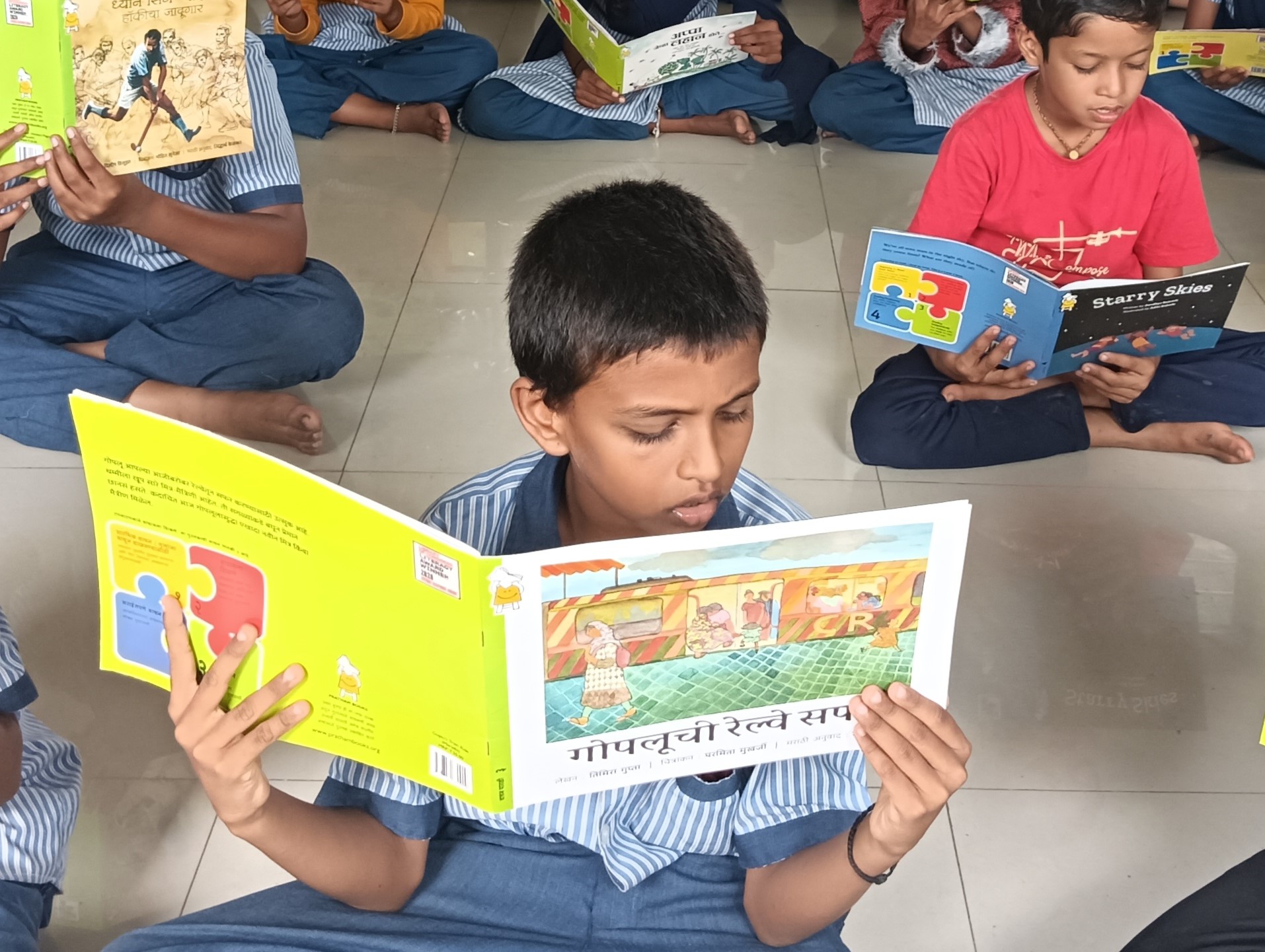
School libraries are the primary source of knowledge for students
Transforming Rural Education in India: A Holistic Approach for the 21st Century
India’s vibrant diversity presents a significant challenge in rural education. While urban centers embrace technological advancements, modern teaching methodologies, and skill development, rural areas often grapple with outdated systems and limited resources. However, to truly harness India’s demographic dividend, it is imperative to empower rural children with the skills necessary for the 21st century.
The Current Landscape of Rural Education
Rural students face a multitude of obstacles, including restricted access to quality education, an obsolete curriculum, a scarcity of trained educators, and inadequate infrastructure. These challenges place rural students at a considerable disadvantage, especially in a world that increasingly values a diverse set of skills beyond mere academic knowledge.
In the 21st century, education must transcend traditional textbook learning. It needs to equip students with the abilities to navigate a rapidly evolving world, where critical thinking, creativity, communication, and collaboration are as vital as core academic subjects.
Essential 21st-Century Skills
The term “21st-century skills” encompasses a broad range of capabilities crucial for success in modern personal, academic, and professional environments. Key among these are:
- Critical Thinking and Problem Solving: In today’s dynamic world, students must learn to analyze situations and devise creative solutions. Encouraging rural children to question, think independently, and problem-solve will prepare them for real-world complexities.
- Collaboration and Teamwork: The contemporary workplace is global and highly collaborative. Teaching rural children to work effectively in teams, share ideas, and communicate openly is fundamental for their future careers.
- Digital Literacy: Technology is a transformative force across all sectors. While rural India may have limited access to digital resources, it is crucial to introduce children to foundational digital skills. Digital literacy will unlock opportunities for online learning, information access, and enhanced employability.
- Communication Skills: The ability to articulate ideas clearly, both verbally and in writing, is paramount. Rural children often face challenges in this area due to language barriers or limited exposure. Fostering strong communication skills will boost their confidence and ability to express themselves effectively.
- Creativity and Innovation: Rural areas are rich in cultural traditions and local knowledge. Tapping into this inherent creativity and encouraging children to innovate—be it in arts, agriculture, or technology—can lead to sustainable solutions for local challenges.
Beyond Academics: Vital Life Skills
In addition to 21st-century skills, rural children require a broader set of life skills to flourish:
- Financial Literacy: Teaching children the fundamentals of managing finances, budgeting, and saving is crucial, particularly in rural areas where financial planning is often overlooked.
- Entrepreneurial Skills: Given the agricultural foundation of rural economies, fostering entrepreneurial thinking can encourage students to take initiative within their communities. Skills such as risk-taking, business planning, and resource management can be instilled through practical, real-life projects.
- Emotional Intelligence (EQ): Developing self-awareness, empathy, and social skills helps children navigate life’s complexities. Rural areas often have close-knit communities, and nurturing emotional intelligence can enhance both personal and communal well-being.
- Sustainability and Environmental Awareness: Rural students have a deep connection to the land. Educating them about environmental sustainability, conservation, and climate change not only prepares them for future challenges but also aids in preserving local ecosystems.
The Role of Government and NGOs
The Indian government has initiated various programs like the Sarva Shiksha Abhiyan, Rashtriya Madhyamik Shiksha Abhiyan, and e-learning platforms to elevate the standard of rural education. Furthermore, non-governmental organizations (NGOs) are instrumental in bridging gaps by providing resources, training teachers, and introducing innovative learning models.
Organizations like Thinksharp Foundation, for instance, are dedicated to improving learning outcomes for rural children through digital classrooms, enhanced infrastructure, and skill development initiatives. These concerted efforts are vital in ensuring that rural children are not left behind.
Conclusion: A Holistic Path Forward
To ensure that rural children in India thrive in the competitive global economy, a fundamental shift is needed from traditional rote learning to a more skills-based, holistic educational approach. By integrating 21st-century skills with essential life skills, and strategically leveraging technology to bridge the educational divide, we can create a future where rural children have equitable opportunities to succeed and contribute meaningfully to India’s progress.
The challenge is indeed formidable, but so is the inherent potential. With the right support and a comprehensive educational framework, education can become the powerful key that unlocks countless opportunities for the youth of rural India.